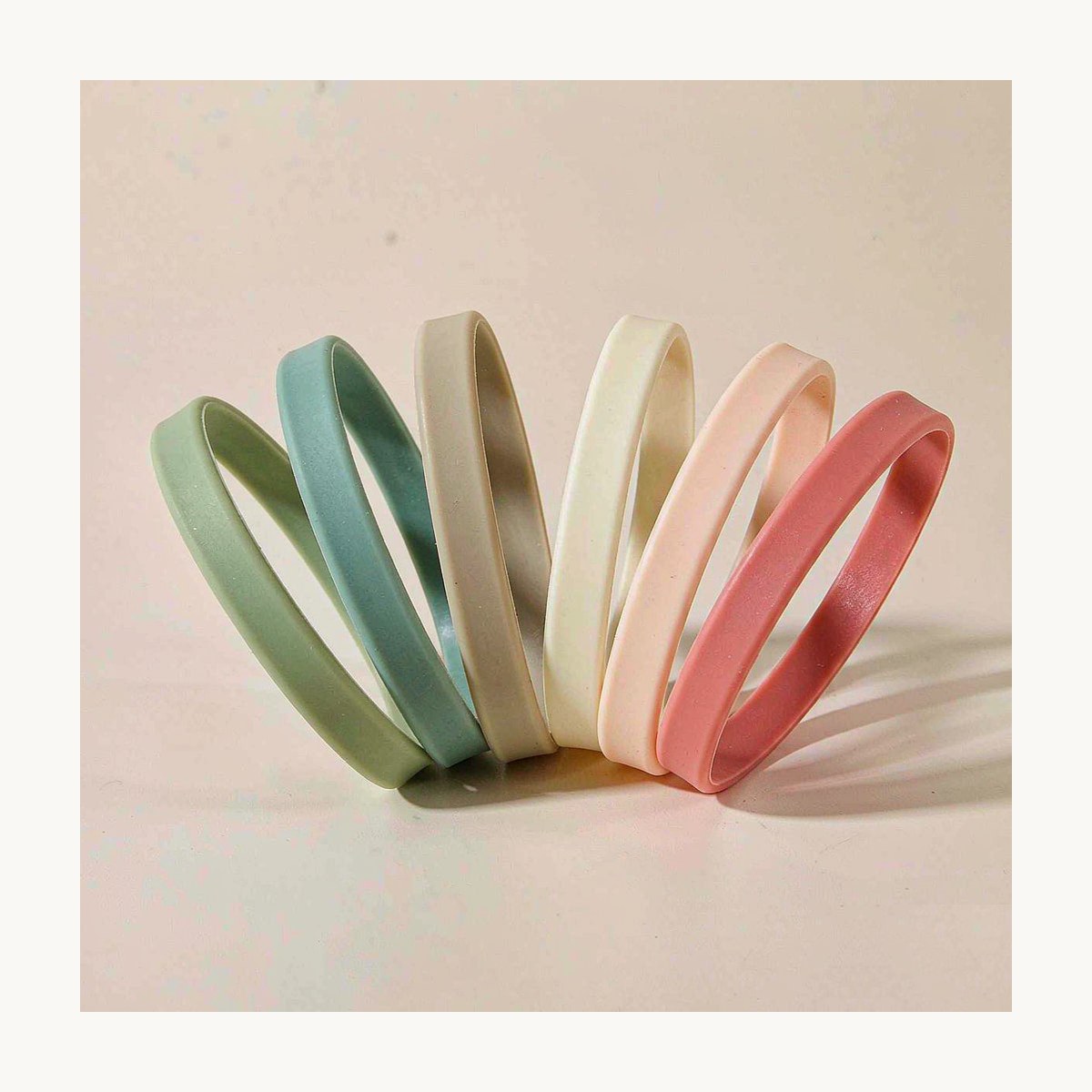
Food-Grade Silicone Moulding
Platinum-cured, food-contact silicone moulded to your shape from 100 pieces.
View Products →Three elastomer families, one moulding process. Below is the practical comparison buyers actually need when they brief a custom part — not a chemistry lecture.
Platinum-cured, food-contact silicone moulded to your shape from 100 pieces.
View Products →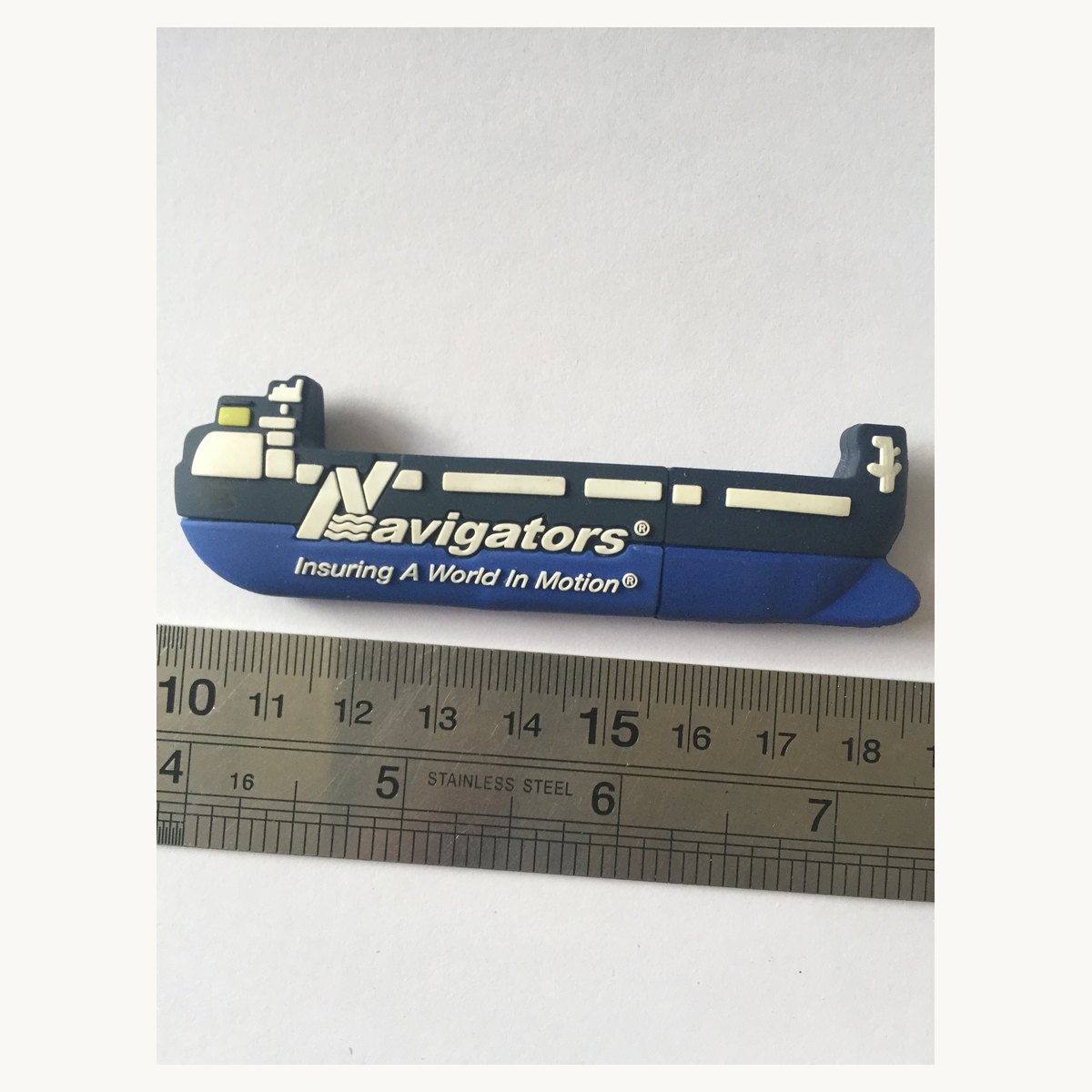
Rubber-feel soft PVC moulded in up to 8 spot colours from 100 pieces.
View Products →
Compression and injection rubber moulding for seals, gaskets and dampers from 100 pieces.
View Products →Compare
| Property | Soft PVC | Food-grade silicone | Rubber (EPDM/NBR/silicone rubber) |
|---|---|---|---|
| Surface feel | Soft, rubbery, lightly plasticised | Smooth, dry-touch, no plasticiser | Rubbery; firm to soft by compound |
| Best suited to | Flat and relief shapes: keychains, magnets, tags, casing shells | Thick volumetric parts: figures, wristbands, kitchenware | Seals, gaskets, O-rings, dampers, bushings, boots |
| Detail reproduction | Excellent for 2D relief and sharp colour separation | Excellent for chunky 3D form and fine surface texture | Good for functional cross-sections; less colour detail |
| Colour options | Up to 8 moulded spot colours, glitter, glow, metallic | Any solid PMS colour, dual-colour two-shot, swirl, glow | Black and standard compounds; custom colours on request |
| Heat resistance | Up to about 60 °C continuous | −40 °C to 230 °C | −40 °C to 120 °C typical (compound dependent) |
| Food contact | Not for food contact | Food-contact safe, BPA-free | Only selected food-grade compounds |
| Weight | Lighter for the same volume | Denser, feels more substantial in the hand | Dense, similar to silicone |
| Mould cost | Lower — simple 2-part moulds | Higher — compression or injection tooling | Moderate — compression or injection tooling |
| Unit cost | Lower at 100–5,000 pcs | Higher material cost, longer cycle time | Mid-range; volume-sensitive |
| Minimum order | 100 pcs per design | 100 pcs per design | 100 pcs per design (standard compounds) |
| Lead time | 12–30 days after artwork approval | 12–30 days after artwork approval | 15–35 days after approval |
Send us your artwork, shape reference or just an idea. We will come back with a 3D model, a price and a delivery date.