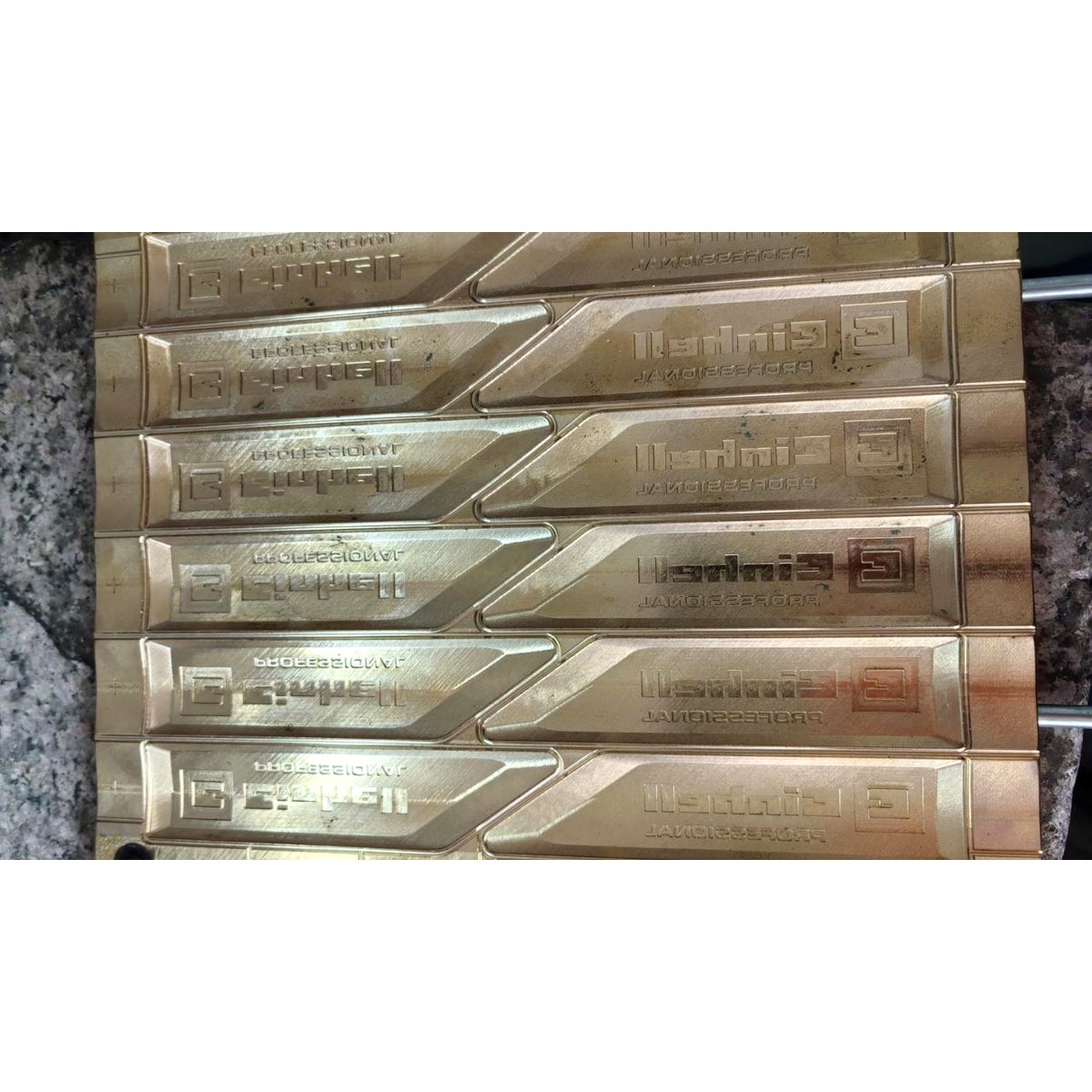
Both mould rubber and silicone — differently
Compression moulding loads a pre-weighed charge of compound into an open heated cavity, then closes the press to cure it. Injection moulding plasticises the compound and forces it through a runner into a closed, multi-cavity mould. Same materials, opposite economics at the tooling and volume ends.
Our capabilities page details both lines, plus liquid silicone injection (LSR) for very high volumes.
Compare them on the buyer's questions
| Question | Compression | Injection |
|---|---|---|
| Tooling cost | Lower — simple open mould | Higher — precision closed tool |
| Best volume | Low to medium runs | Medium to very high |
| Flash / edge | Some flash to trim | Cleaner edges, less flash |
| Tolerance | Good | Tight, repeatable |
| Lead time to first part | Shorter | Longer tooling |
| Material waste | Low | Runner scrap (reclaimable) |
Choose compression moulding when…
- Runs are low to medium and tooling budget matters.
- Parts are larger or simpler in shape.
- You want the shortest path from drawing to first sample.
- Material is solid silicone or rubber sheet charge.
Choose injection moulding when…
- Volume is high enough to pay back the tool.
- You need tight, repeatable tolerances across a long run.
- Clean edges and minimal flash reduce finishing cost.
- You are running LSR silicone at scale.
We decide per project, not by habit
The crossover point is volume and tolerance, not the material alone. We quote both routes where it is close, show the break-even quantity, and recommend the one that is cheaper across your forecast — so you are not paying injection-tool prices for a 500-piece run, or living with compression flash on a million-part order. Speak to us via the contact page with your annual volume.
FAQ
Which is cheaper for a small run?
Compression moulding. Its open tool is far cheaper to make, so low-to-medium runs cost less overall even if the per-part price is a little higher.
Does injection give better quality?
For high volume it does: tighter tolerances, cleaner edges and less flash. For small runs the quality gap rarely justifies the extra tooling.
Can you mould both silicone and rubber this way?
Yes. Both compression and injection handle silicone and rubber compounds; LSR injection is our route for very high-volume silicone.
How fast can I get a first sample?
Compression samples typically run 5–7 days after artwork approval; injection takes longer because the precision tool is built first. We advise the route during quoting.
Minimum order and lead time?
100 pieces per design; sampling 5–7 days for compression; production 12–30 days after approval. Free 3D modelling before tooling.